
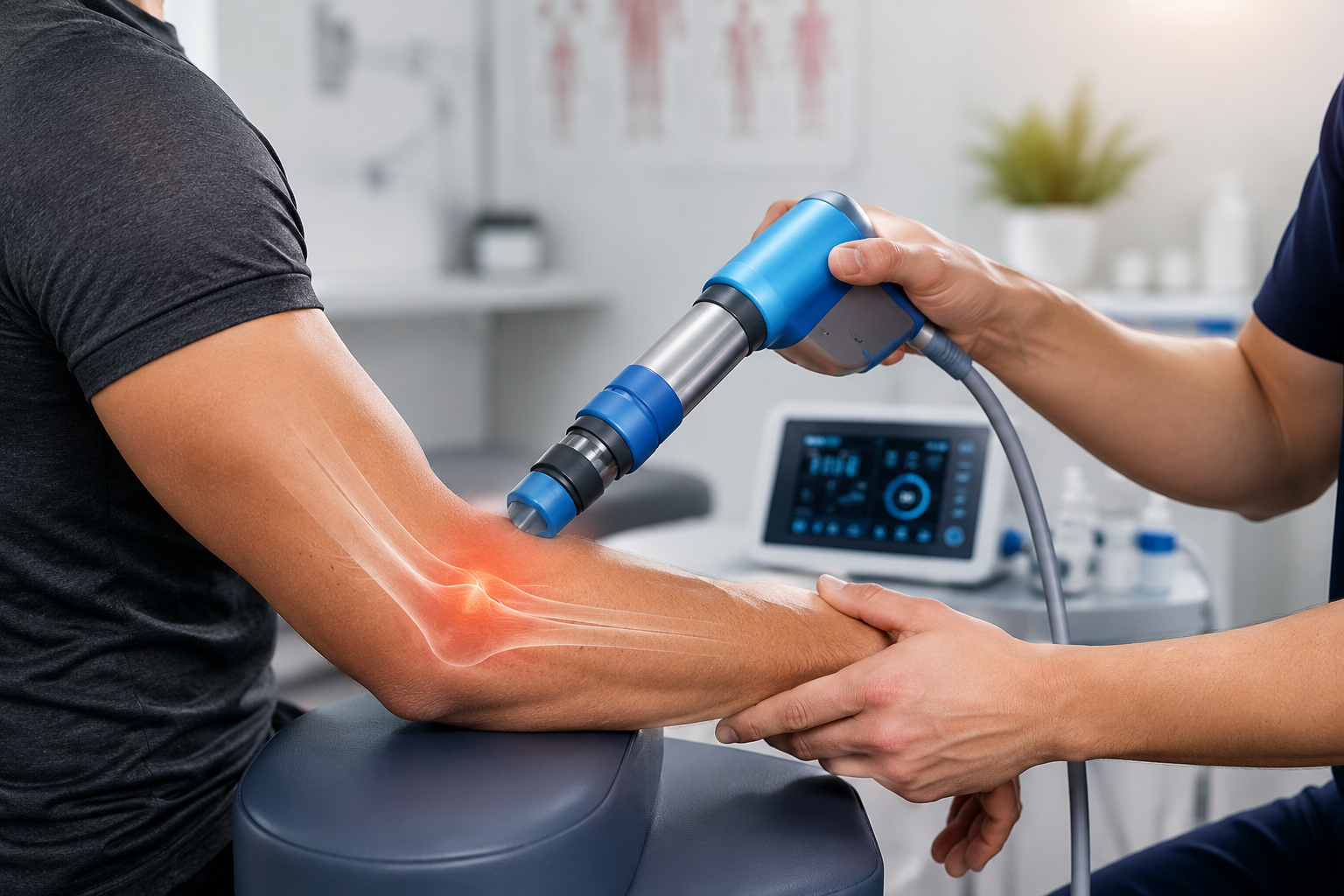
Chronic tendon pain can make even simple daily activities uncomfortable. Whether it affects your elbow, heel, shoulder, or knee, persistent tendon discomfort often limits movement and impacts quality of life. While surgery may be necessary in certain situations, many people explore non-surgical options before considering an operation. Shockwave therapy in Houston has become a widely used treatment that supports the body’s natural healing response for chronic tendon conditions that have not improved with rest or conventional care.
Types of Chronic Tendon Conditions Commonly Treated
Many tendon conditions develop over time due to repetitive strain, overuse, or slow healing. Providers offering shockwave therapy for tendon pain in Houston commonly treat conditions such as:
- Golfer’s elbow (medial epicondylitis)
- Tennis elbow (lateral epicondylitis)
- Plantar fasciitis
- Achilles tendinopathy
- Patellar tendinopathy
- Rotator cuff tendinopathy
- Calcific shoulder tendinitis
Treatment recommendations depend on the severity of symptoms, the duration of pain, and an individual’s overall health.
Why Some Tendon Issues Become Long-Lasting
Unlike muscles, tendons receive a relatively limited blood supply, which can slow the healing process after repeated stress or injury. Continuing the same repetitive movements, returning to activity too quickly, or failing to address underlying biomechanical problems may prevent proper recovery.
For patients considering shockwave treatment in Houston, understanding why tendon pain has persisted is an important part of developing an effective treatment plan.
How Shockwave Therapy Works
Extracorporeal shockwave therapy in Houston uses controlled acoustic waves that are delivered to the affected tendon through a handheld device. These energy waves stimulate biological responses within the damaged tissue.
The treatment may help:
- Encourage blood circulation
- Support tissue regeneration
- Stimulate the body’s natural healing process
- Reduce chronic inflammation associated with tendon disorders
- Improve long-term tendon function
Sessions are typically performed in an outpatient setting without surgery or lengthy downtime.
Factors That Influence Results
Every patient responds differently to treatment. Several factors can influence the outcome of shockwave therapy in Houston, including:
- How long symptoms have been present
- The severity of tendon damage
- Overall health and circulation
- Activity level during recovery
- Following recommended rehabilitation exercises
- Completing the full treatment plan
Patients with chronic conditions often require multiple sessions before noticing gradual improvement
Who May Be a Candidate
Individuals searching for shockwave therapy near me in Houston may be candidates if they:
- Have tendon pain lasting several months
- Have not experienced sufficient relief from rest or physical therapy
- Want to explore a non-surgical treatment option
- Have recurring tendon pain that limits work, sports, or daily activities
- Are looking to avoid prolonged recovery associated with surgery
A medical evaluation helps determine whether shockwave therapy is appropriate based on the specific diagnosis and overall health history.
Common Patient Questions
People considering shockwave therapy for tendon pain in Houston often ask similar questions before starting treatment.
Is the procedure painful?
Some patients experience mild discomfort during treatment, but sessions are generally well tolerated and short.
How many sessions are usually needed?
The number varies depending on the condition, but many treatment plans involve multiple sessions scheduled over several weeks.
When will I notice improvement?
Some individuals experience gradual relief within a few weeks, while others notice continued improvement over several months as healing progresses.
Can it replace surgery?
In some cases, shockwave therapy may help patients delay or avoid surgery, although treatment recommendations depend on the underlying condition.
Recovery and Activity Considerations
Recovery following shockwave treatment in Houston is generally straightforward. Most patients return to normal daily activities shortly after each session, although strenuous exercise may be temporarily limited based on the treated area.
Healthcare providers may recommend:
- Avoiding high-impact activities for a short period
- Performing prescribed stretching exercises
- Following physical therapy recommendations if applicable
- Attending follow-up appointments
- Gradually returning to sports or demanding physical activities
Following aftercare instructions supports the body’s healing process and helps maximize treatment outcomes.
Find Lasting Relief with iLIFE
Living with chronic tendon pain does not always mean surgery is the only option. If persistent tendon discomfort is affecting your daily routine, iLIFE Anti Aging offers professional evaluations and advanced shockwave therapy treatments designed to support healing and improve mobility. Schedule a consultation to learn whether this non-surgical approach is right for you.
FAQs
Is shockwave therapy suitable for chronic tendon injuries?
It is commonly used for chronic tendon conditions that have not responded well to conservative treatments, although eligibility depends on an individual medical evaluation.
Can shockwave therapy treat plantar fasciitis?
Yes. Plantar fasciitis is one of the most frequently treated conditions using shockwave therapy, particularly when heel pain becomes persistent.
Does shockwave therapy require anesthesia?
Most treatments do not require anesthesia because the procedure is minimally invasive and typically well tolerated.
How long does each treatment session take?
Sessions usually last between 15 and 30 minutes, depending on the treatment area and the condition being addressed.
Are there any activity restrictions after treatment?
Most patients can resume normal daily activities, but providers may recommend temporarily avoiding strenuous exercise until the treated tendon begins healing.
Is shockwave therapy only for athletes?
No. It can benefit active individuals, office workers, older adults, and anyone experiencing chronic tendon pain caused by overuse or repetitive strain.